Educate Children

Educate Children
Science, technology, engineering and mathematics (STEM) education puts an emphasis on preparing future generations to be successful in their careers. The skills gained from STEM education extend beyond those needed to be successful in STEM fields, preparing children with varied interests who move into any industry to have valuable skill sets that allow them to be successful. Ahavah foundation has tied up with Modo to provide STEM-based education support to children.
Overview of our courses
- Course # 1: Python Coding for Kids
- Course # 2: AI Foundation
- Course # 3: Virtual Robotics
Why Coding, Robotics & AI Technology Matters to Kids
Young people are the entrepreneurs of the future, and we should be looking to them as one of our sources of innovation for the high streets of tomorrow, said Theo Paphitis, a renowned entrepreneur. Coding is a gateway to interactive, creative and attainable solutions that matter. It’s also a powerful driver of creativity. Apple’s revered founder, the late Steve Jobs said that everyone should learn how to code or program because it teaches you how to think.Coding, Robotics, AI are the new age skills that today’s children need to stay relevant, competitive.
Benefit #1 Encourages Problem Solving
Problem solving is often posited as a very adult phenomenon but, in reality, it permeates every phase of our lives. Coding from a young age develops and hones this skill, not least because it places a problem before children and encourages them to find a solution.
Benefit # 2 : Gives Children Control
Coding places the reins of creativity and learning in children’s hands. Despite the initial guidance, it doesn’t take too long before the training wheels come off and they’re encouraged to engage in programming that solves a challenge. After their first taste of creativity, and the satisfaction that comes of putting together a solution from scratch, children won’t look back to outdated methods of learning.
Benefit # 3: Facilitates Out-of-the-box Thinking
As any other artist would, programmers are also faced with conundrums that require offbeat solutions. The programmer that’s most successful in their solutioning is often the one that knows what rules exists and how they can masterfully bend them. Instead of these frameworks functioning as watertight boxes, they’re guidelines through which an innovative solution is realised.
Benefit # 4: Develops Confidence in Creative Expression
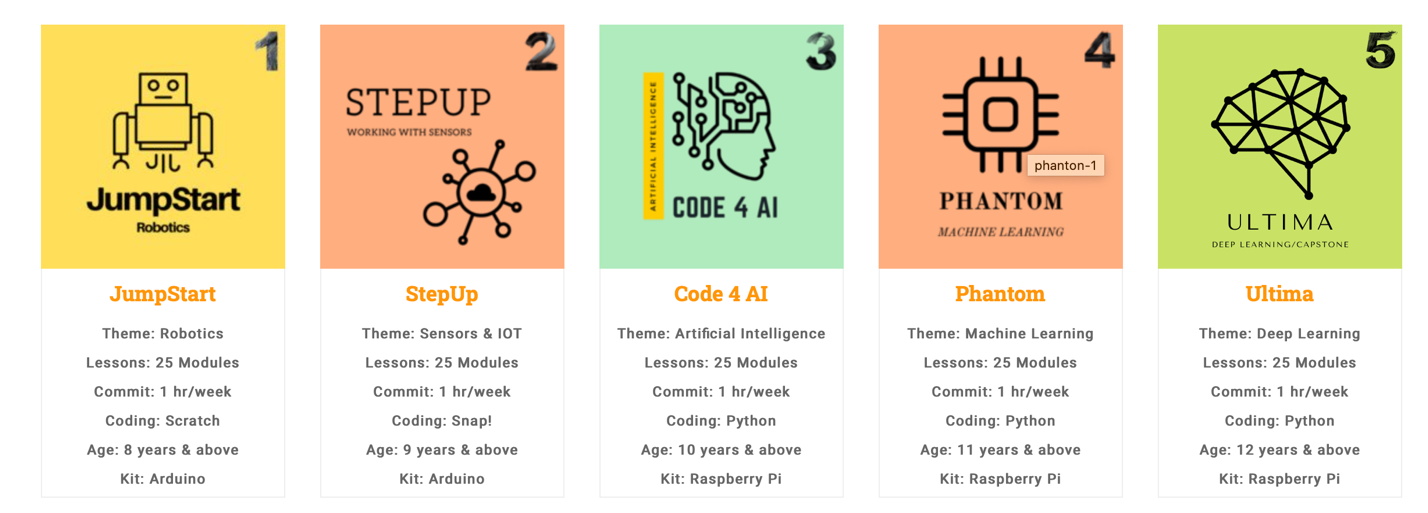
Coding is a safe ground for unlimited creative expression and solutions. This is realised in Modo courses, all five levels of which are centred on coding. Students are first asked to create an existing project once again, to understand how it works. During the tinker stage, they’re encouraged to make changes to the existing programme as these lay bare the world of changes they’re able to make with just a simple twist in the code. The third and final step is that of the challenge, where students are faced with a real-world problem that they can resolve, from scratch, with their newly developed coding skills.
Benefit # 5: Influences an Entrepreneurial Mindset
Entrepreneurship involves thinking in a way that is geared towards problem-solving and creating solutions for others rather than yourself. Coding is your playing ground in this aspect– it is complex and used to give shape to your ideas rather than the other way round. The skills a coder develops over time – harboured on a solid foundation – will translate into creative thinking and broader skillsets that apply outside of the tech sphere as well.
Benefit # 6: Enables Intersectionality
A quick look at today’s dynamics is testament enough to the fact that industries and use cases are intersectional. Artificial intelligence, robotics and machine learning aren’t restricted to tech spheres– they play pivotal roles in everyday lives. As a result, coding develops thinking and approaches that work towards using technology in daily lives as well. If our first set of coders hadn’t exploited this advantage, we wouldn’t have Alexa and Google Assistant playing our favourite tunes every day!
Benefit # 7: Fosters Resilience
Coding, Robotics & AI algorithms are a process of trial and error, failures and successes. In a way, that is also what the process of innovation looks like. Therefore, the resilience and go-getter attitude that is developed through hours of coding applies very well in the context of innovations and entrepreneurship. Teaching AI from a very young age allows younger generations to understand their surroundings and think creatively. They can then make use of the technology they have at hand to drive societal impact. In just a few short years, AI will cease to be novel and become a distinct, irreplaceable part of children’s lives.